
Design Direction for Couples Who Want Clarity
Not more opinions. Not more Pinterest.
Actual decisions.
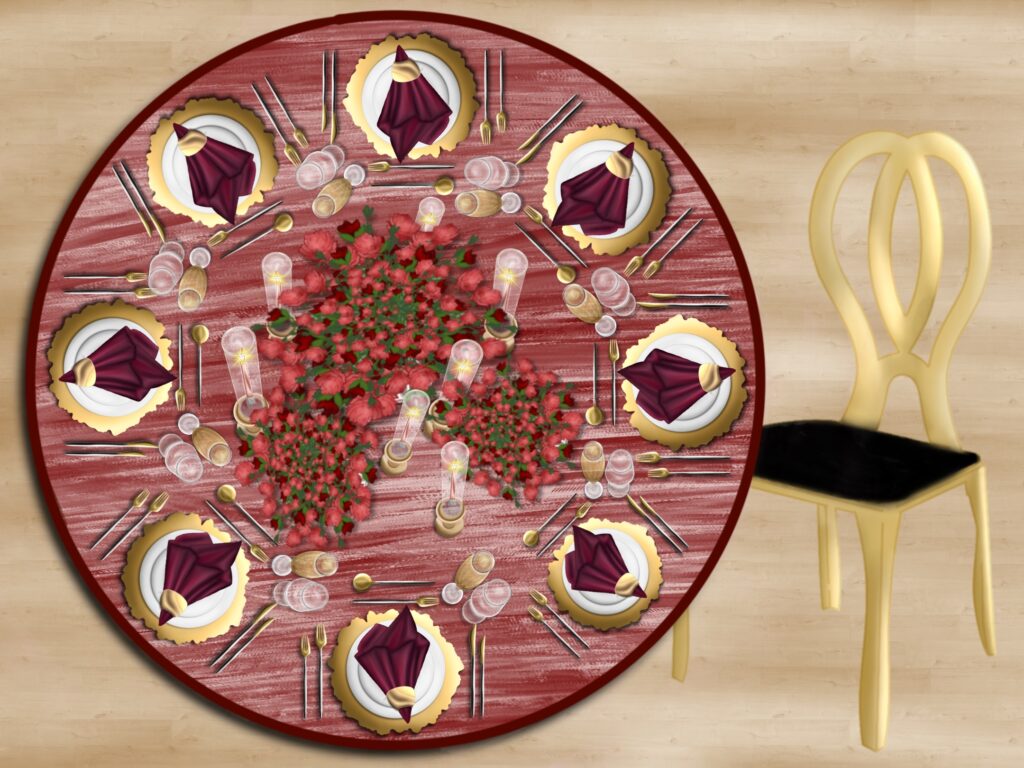
If you’re stuck second-guessing colors, questioning the layout of the venue, unsure what “fits,” or stuck between too many ideas, this is the pivot point. You don’t need more inspiration.
You need design direction.
Virtual Support • Vendor-shareable • Built for clarity, not chaos
This is a design direction engagement, not full planning and not execution.
I help you define the visual logic of your wedding so every decision after this point becomes easier, faster, and more confident.
Every wedding design is created based on The Design Five.
Not steps. Not rules.
Five decisions that determine whether a design holds together or falls apart.
- Structure Analysis: the space you’re working with
- Base Layer: the elements that everything sits on
- Focal Point: what gets attention and what doesn’t
- Editing: what’s intentionally removed
- Integration: when everything speaks the same visual language
Who This Is For
This is for couples who:
- Want a cohesive, elevated look
- Are tired of conflicting opinions
- Care about how the space feels, not just how it photographs
- Want to make confident decisions before signing contracts
This is especially valuable if you’re:
- Early in planning (4 – 10 months before your wedding)
- Feeling overwhelmed by options and opinions
- Working with a limited or defined budget that you are unsure how to stretch


This is not for couples who…
- Are looking for decor shopping lists
- Want planning support or timeline management
- Prefer to crowdsource decisions
- Want to copy a Pinterest board exactly
If you want logistics, contracts, timelines, or vendor management, that’s a different service.
This one is about design clarity.
What You Get in the Design Direction
Not a mood board for fun. A direction you can execute.
- Visual Identity Sheet: your anchor statement + design priorities (the lens every decision runs through)
- Palette & Cohesion Sheet: color roles + cohesion rules so your palette behaves consistently
- Layout & Placement Logic: how the space should function and feel (guest experience + flow guidance)
- Design Decision Filter: a yes/no system that keeps choices aligned
- How to Use Your Design Direction: a client-friendly guide you can share with vendors
- Priority-Based Next Steps: customized based on your priorities, venue, and budget, so you know what to do next first
How This Works
Step 1: Intake + Signal
You share your venue, what you’ve saved, your constraints, and what’s causing the spiral so I can find the real disconnect.
Step 2: Direction Call
We lock the anchor, define the priorities, and decide what belongs (and what doesn’t) so your design stops feeling scattered.
Step 3: Receive Your Design Direction
You receive your full deliverables + priority-based next steps so you can move forward confidently and communicate clearly with vendors.
Investment | $650
This is a design advisory engagement with deliverables.
It is not ongoing planning. It is not execution.
You will walk away with…
A Visual Identity Sheet: your anchor statement + design priorities (the lens every decision runs through)
Palette & Cohesion Sheet: color roles + cohesion rules so your palette behaves consistently
Layout & Placement Logic: how the space should function and feel (guest experience + flow guidance)
Design Decision Filter: a yes/no system that keeps choices aligned
Priority-Based Next Steps: customized based on your priorities, venue, and budget, so you know what to do next first
Common Questions
What if I don’t know my style?
You don’t need a label. I pull patterns from what you like/hate and translate them into a clear direction for you.
What if I already booked my venue?
Great! The venue gives us structure. We reset your design to work with that space, not against it
Can you work with my budget?
Yes. This will help you prioritize what matters as long as you are realistic about your budget amount and expectations.
Is this full planning or day-of coordination?
No. This is design clarity and decision support. This is not vendor communication, contract review, timeline creation, or event day execution.
What happens after I receive the Design Direction?
After you receive the Design Direction, you use the Design Anchor, palette roles, and decision check to evaluate every new idea quickly, communicate clearly with vendors, and stay cohesive as planning continues.
Foundation First. Everything else gets easier…
If you want a wedding that looks intentional, without turning planning into a full-time job, this is your next step.